The atelier3 min read
Poured slowly: a day in the atelier
From the first melt at seven to the last wick checked at dusk, a day with the people who pour our candles.
The atelier is one long room with stone walls: a row of melting pots along one side, shelves of curing candles along the other. It stays cool all year, which suits the wax. A handful of us work here. This is an ordinary day.
Seven o'clock: the first melt
The first job is bringing the wax up to temperature. Blocks of filtered beeswax go into the pots the evening before, and by seven they are liquid and golden. We melt the wax slowly in a water jacket, never over a direct flame, so it never scorches and keeps both its colour and its honey scent.
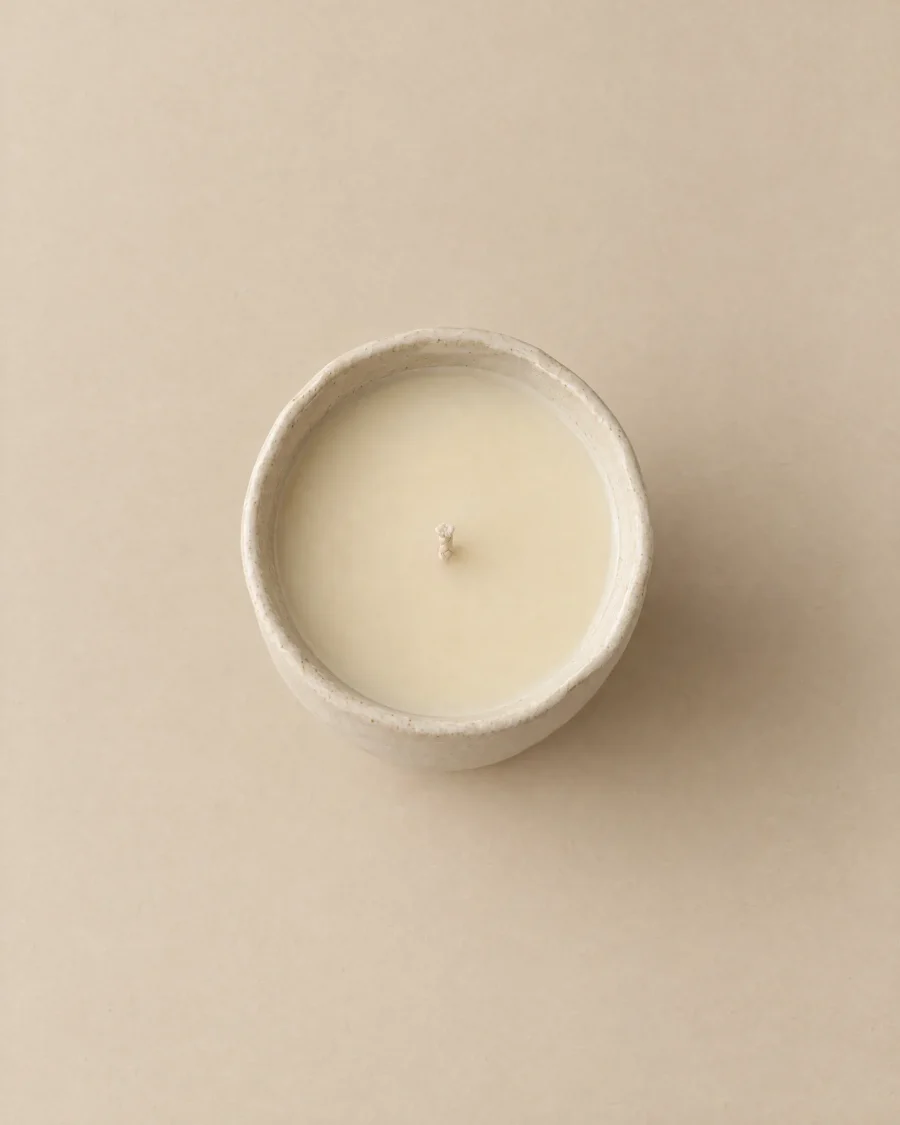
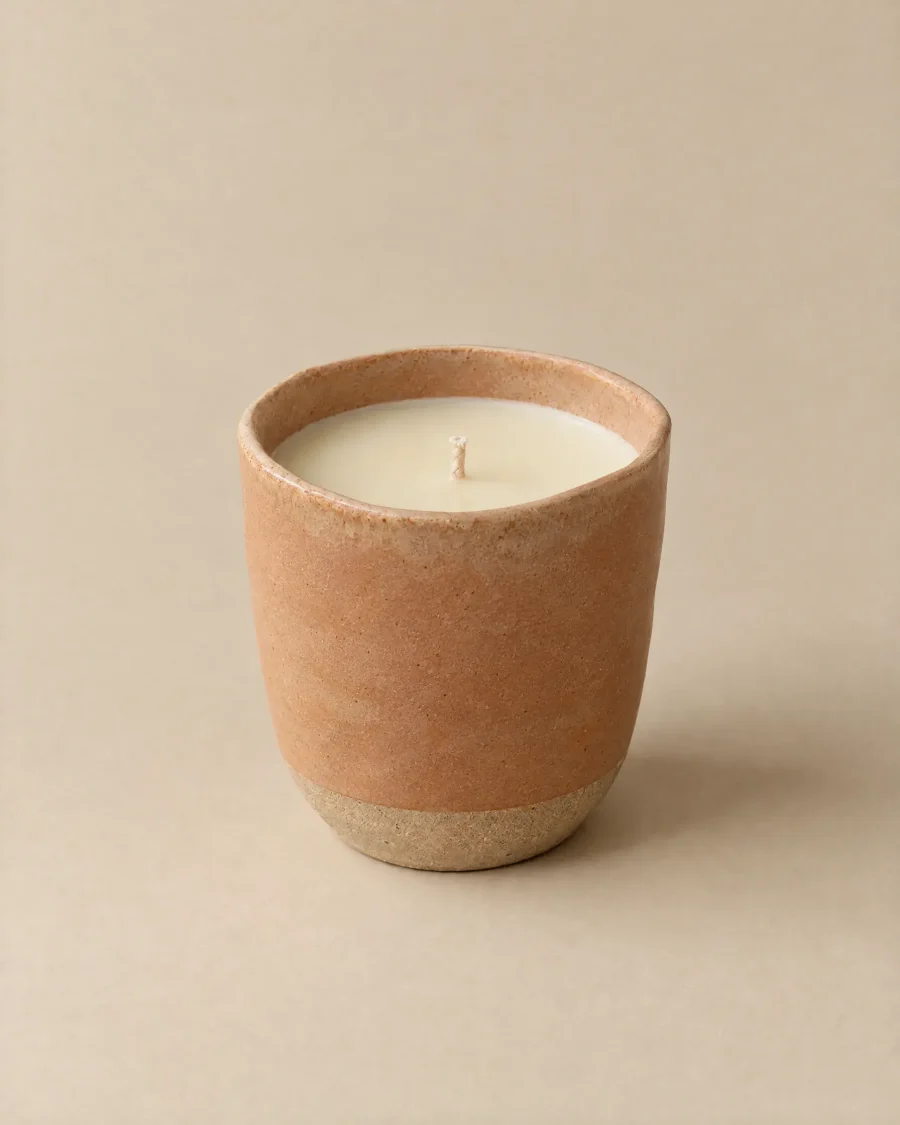
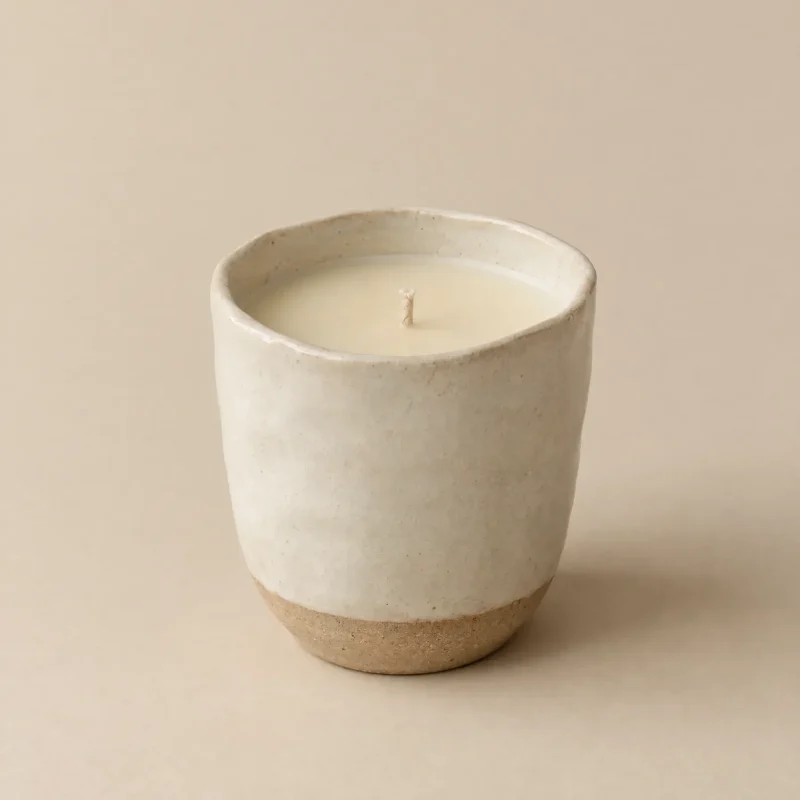
While it warms, the vessels are checked. Each stoneware cup comes from our potter and differs slightly from the next. We look at every one for cracks or rough glaze inside, then set a cotton wick in the centre with a small clip to hold it straight.
Mid-morning: pouring
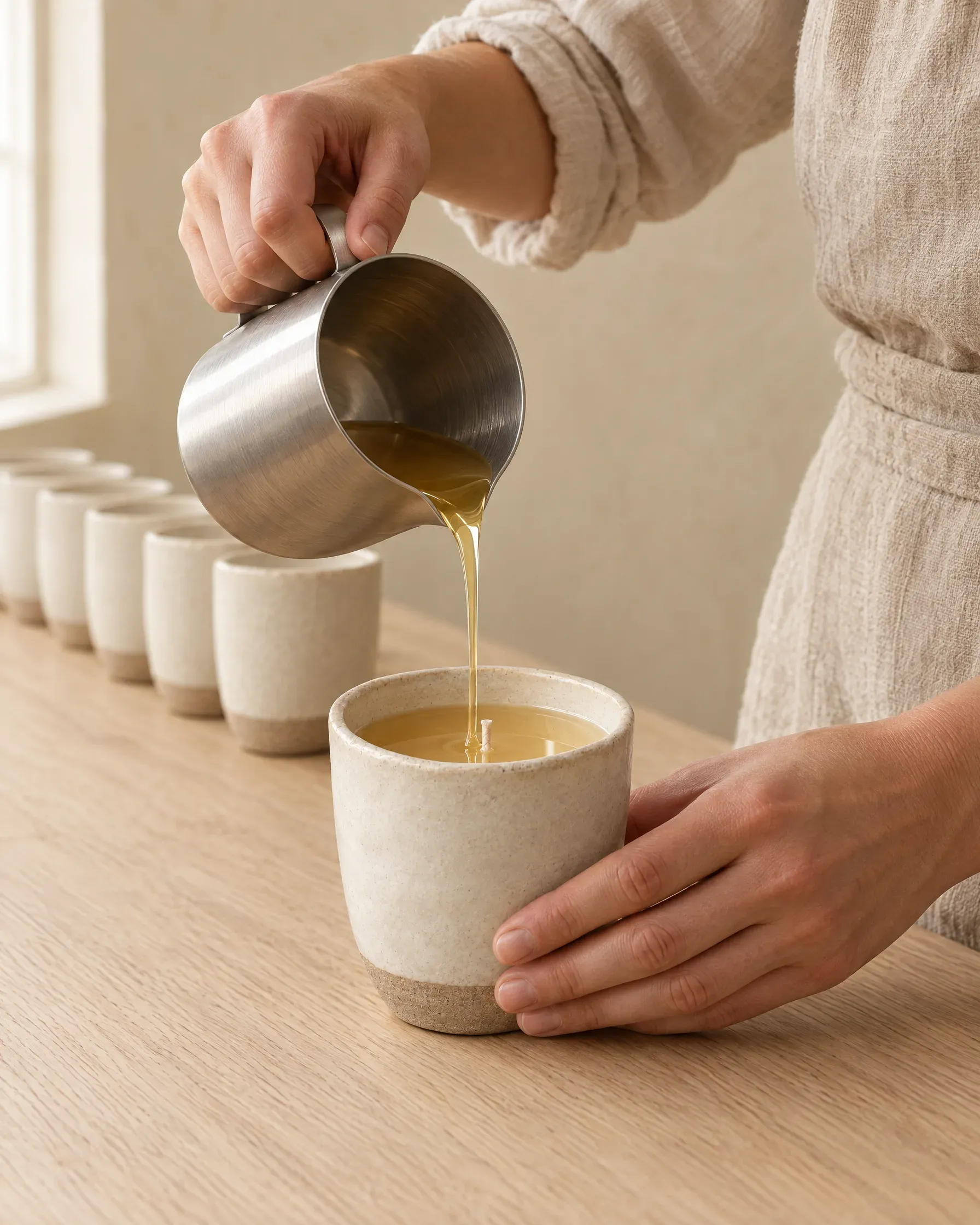
Pouring is quiet work. The wax goes in at a temperature we hold within a few degrees, slowly, from a jug with a narrow spout, so no air is trapped. For the scented vessels, the organic essential oils are stirred in at the last moment and measured by weight.
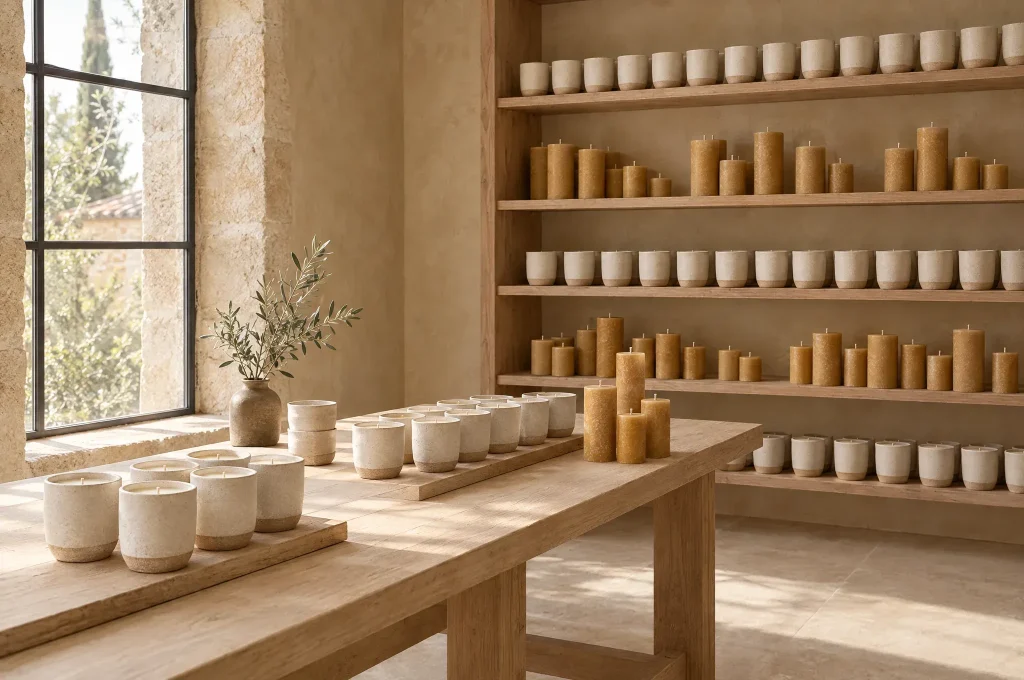
Beeswax shrinks as it cools, and a small hollow forms around the wick. An hour later we top up each candle with a second, smaller pour. It is the step that gives our vessels their flat, even surface.
Batches small enough that every wick is checked by hand.
Afternoon: pillars and packing
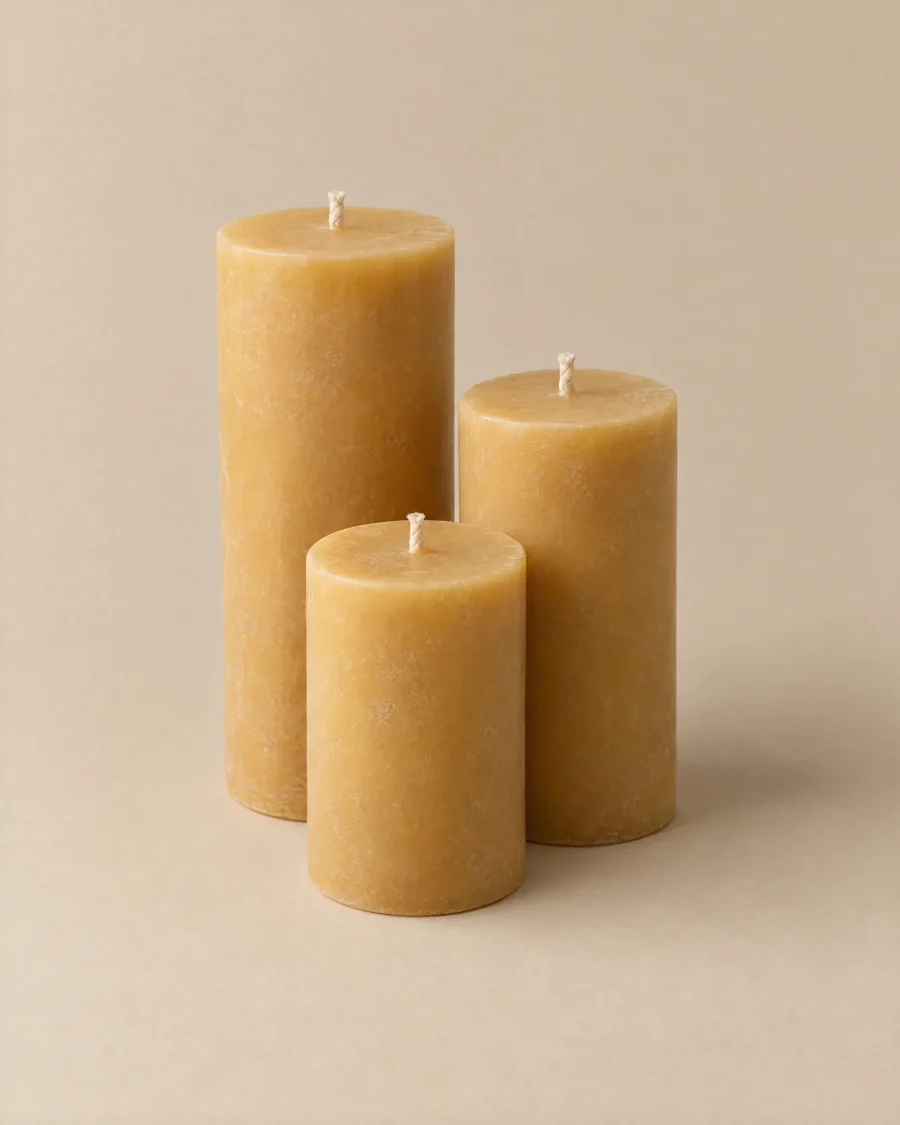
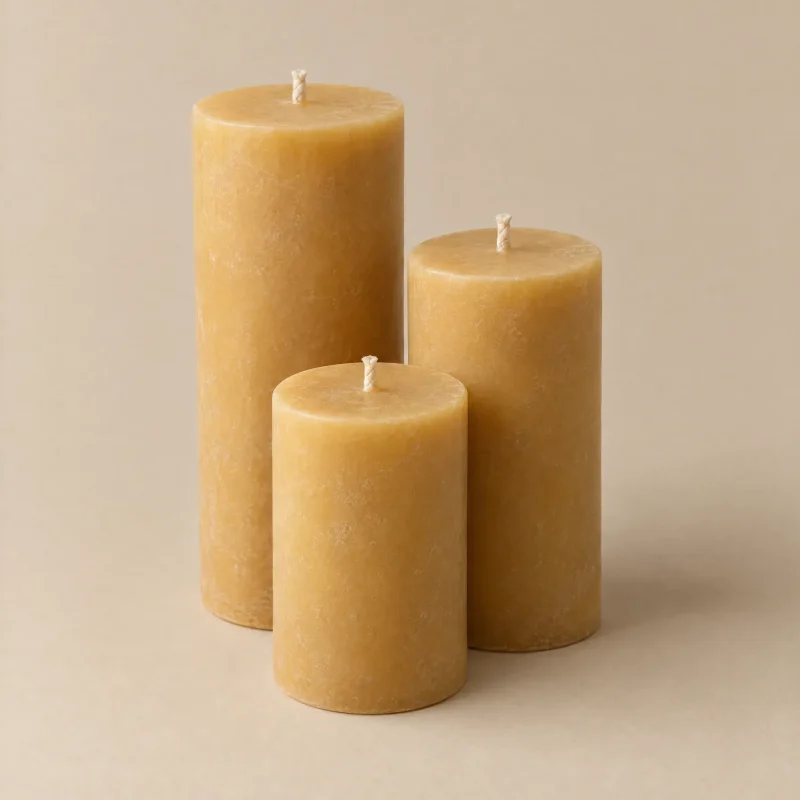
After lunch, the pillar moulds poured the day before are opened. The pillars slide out, are trimmed flat at the base and polished with a soft cloth. Each one is weighed and its batch number written underneath.
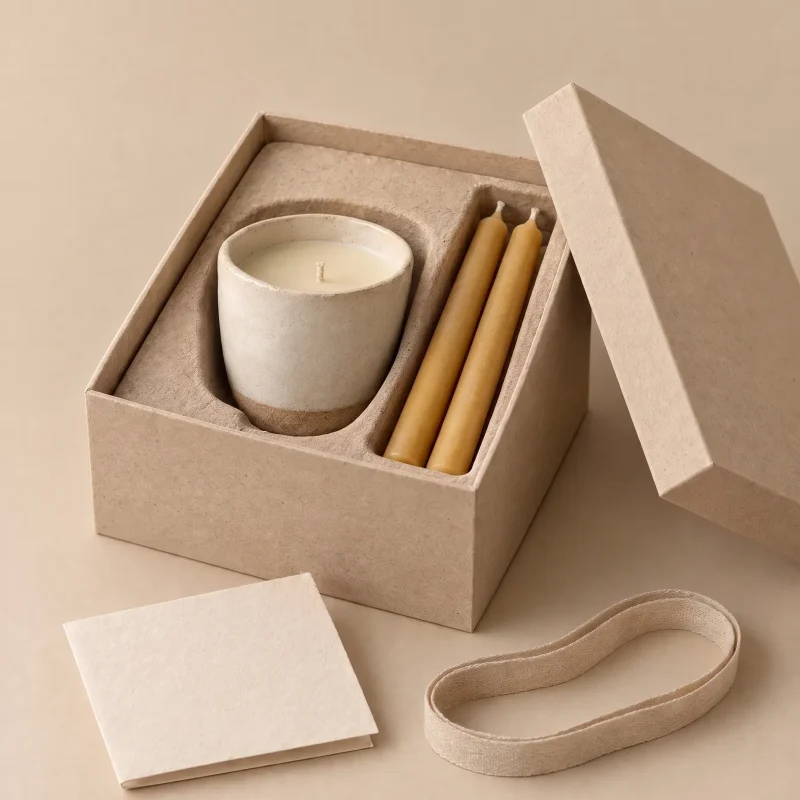
Then the candles poured weeks ago, now fully cured, are packed. Each is wrapped in paper, labelled and boxed by the same person who checked it, so we always know whose hands it passed through last.
Dusk: the last check
Before we leave, one candle from each batch is lit on the test shelf. We watch how the pool forms, how tall the flame stands and whether it smokes, and the notes go in the batch book. If something is not right, the whole batch waits until we know why.
Then the pots are covered, the lights go off, and the shelves go on curing in the dark. Nothing here is fast. That is rather the idea.