Care2 min read
How long does a beeswax candle burn?
Honest numbers for each of our candles, and the three habits that make them last longer.
Burn times on candle labels can be optimistic. Here are ours, measured on our own test shelf: wick trimmed, room still, never more than four hours at a time.
Our candles, in hours
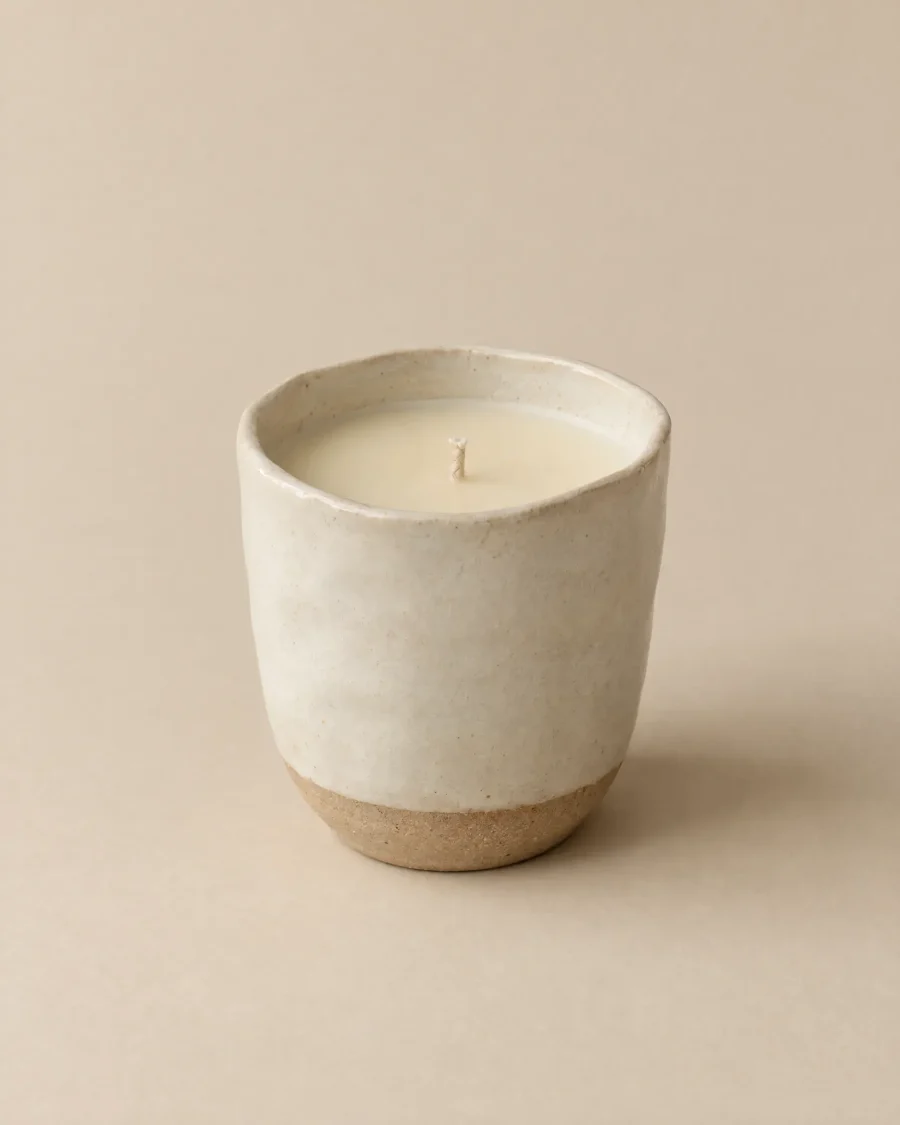
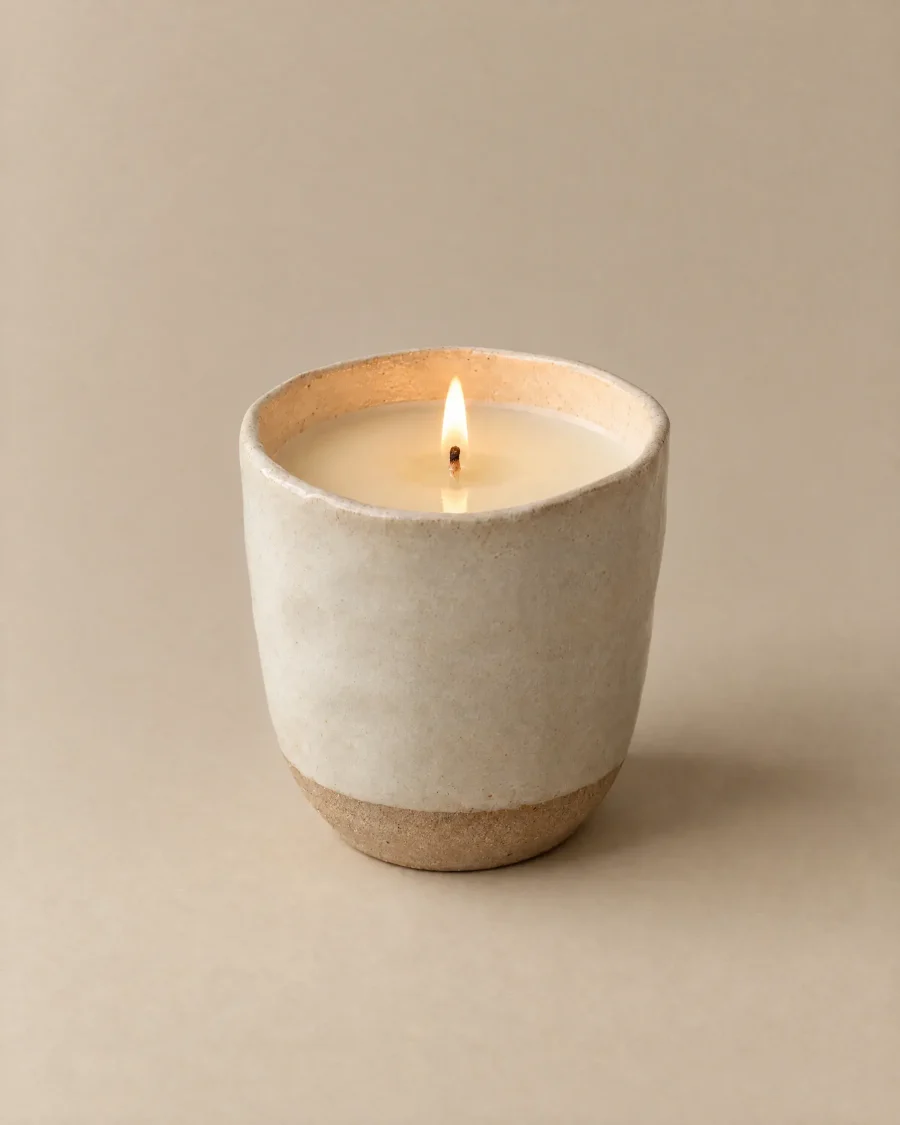
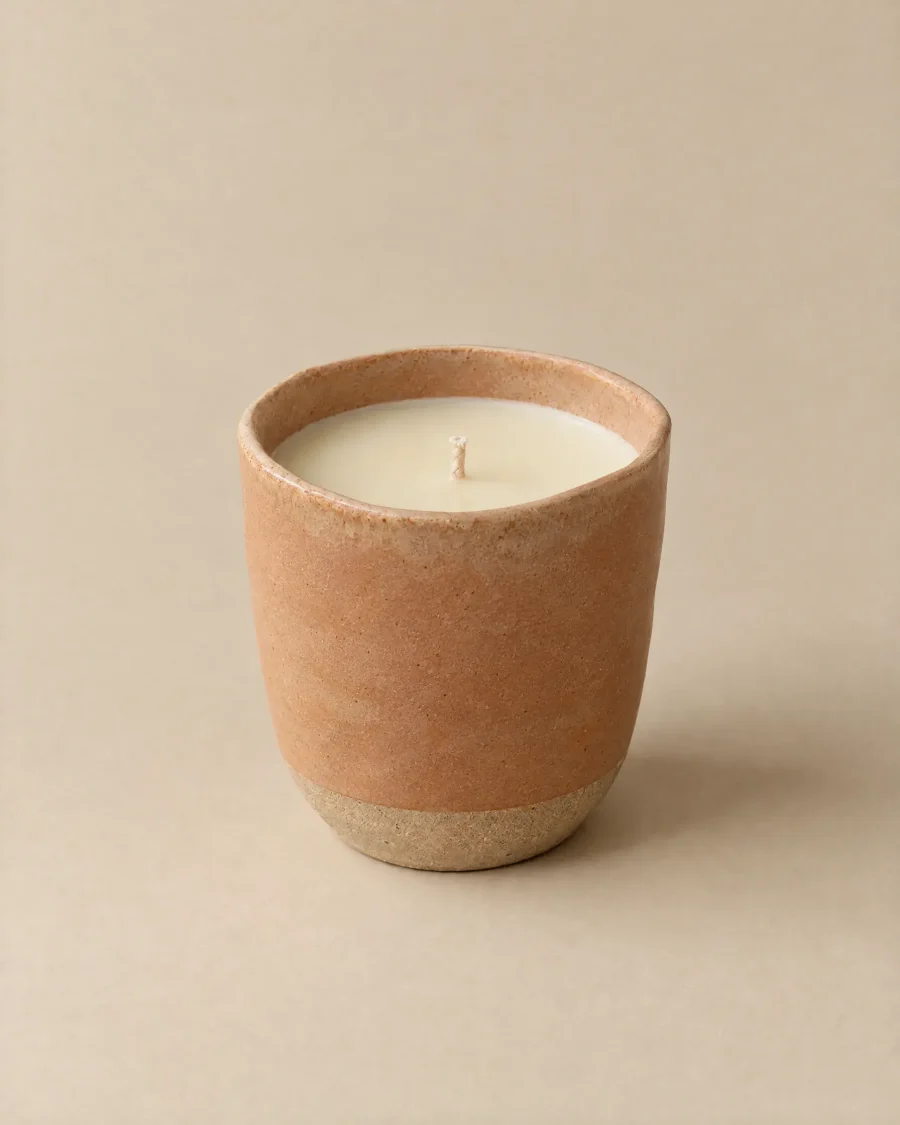
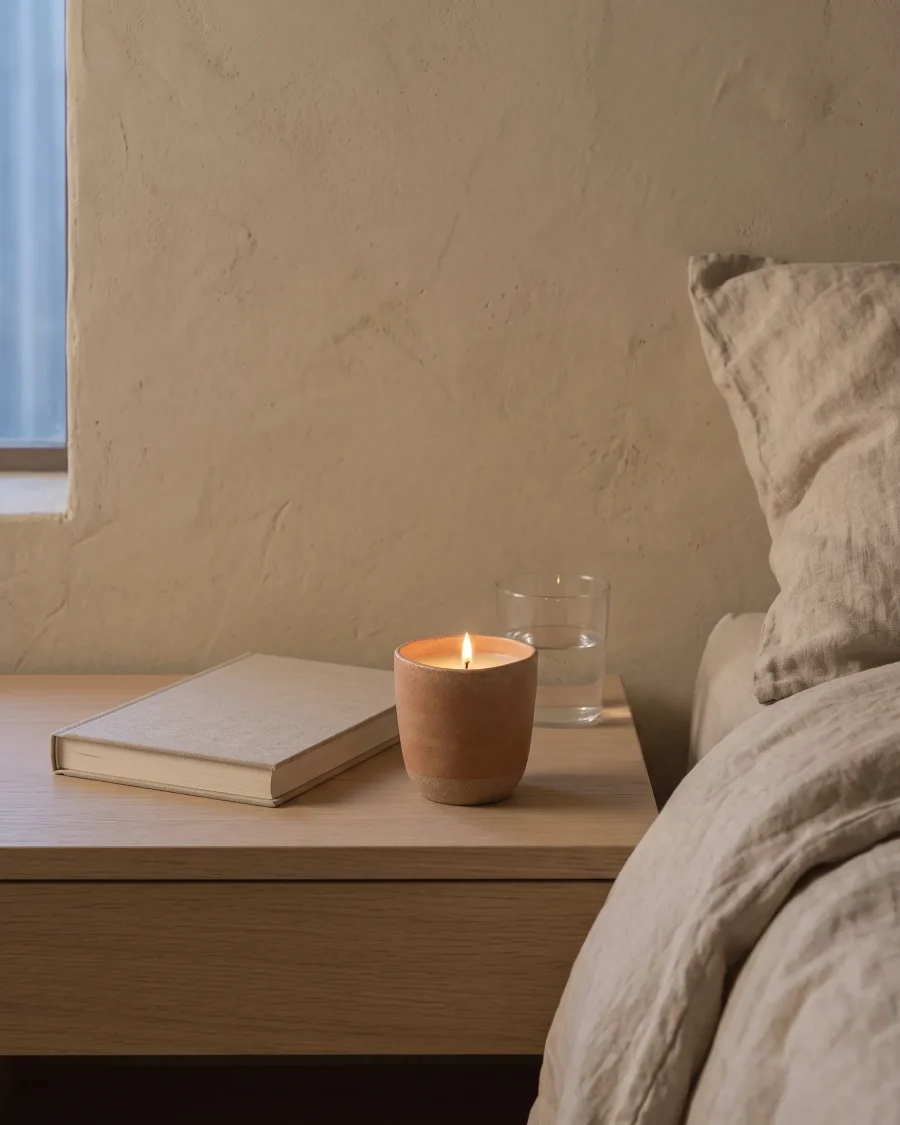
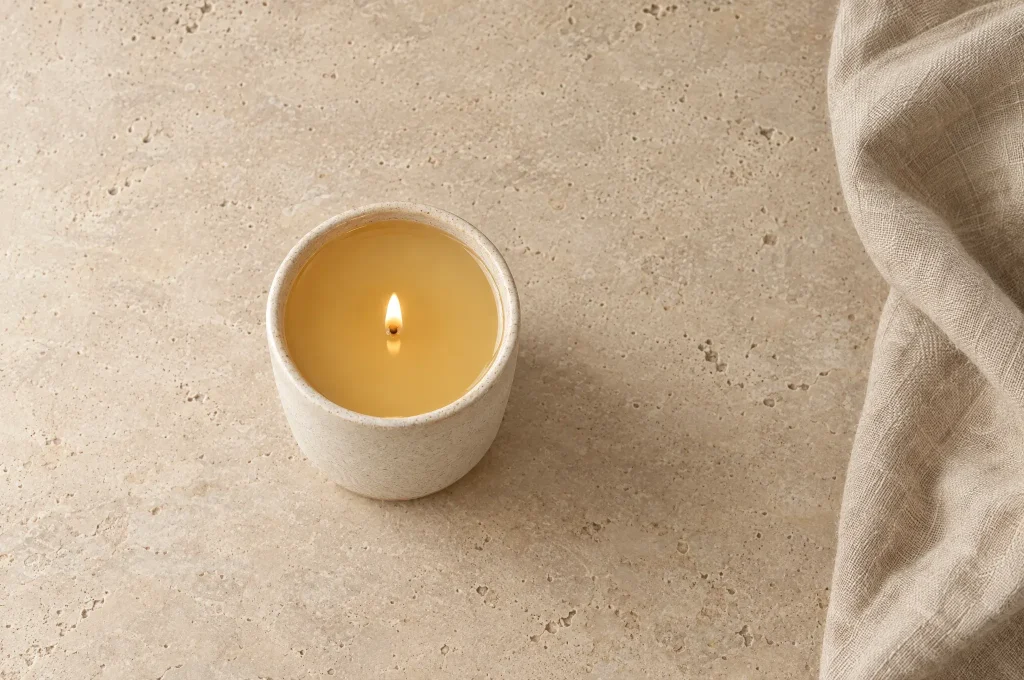
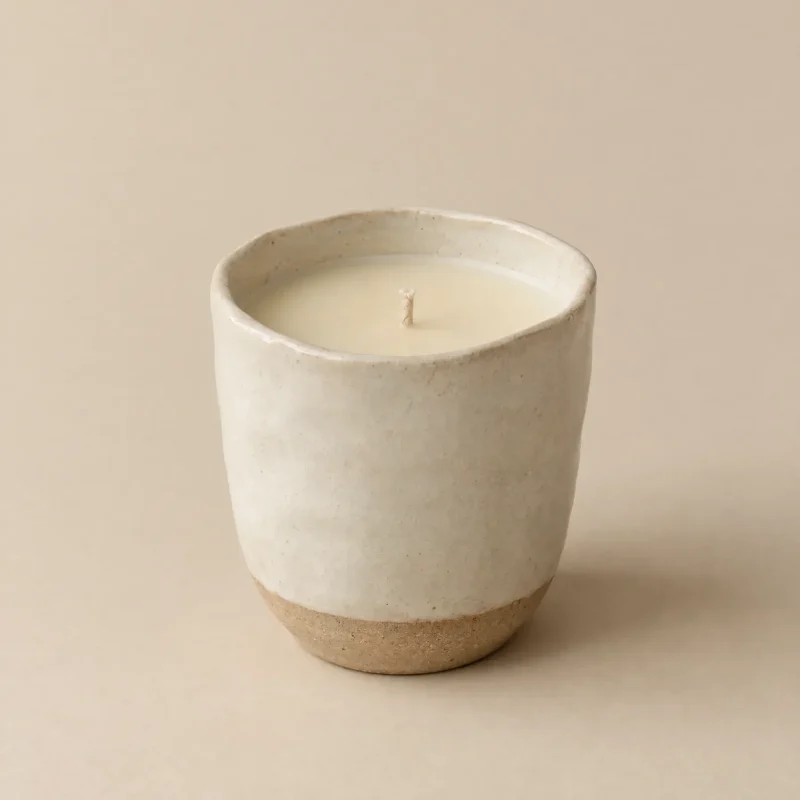
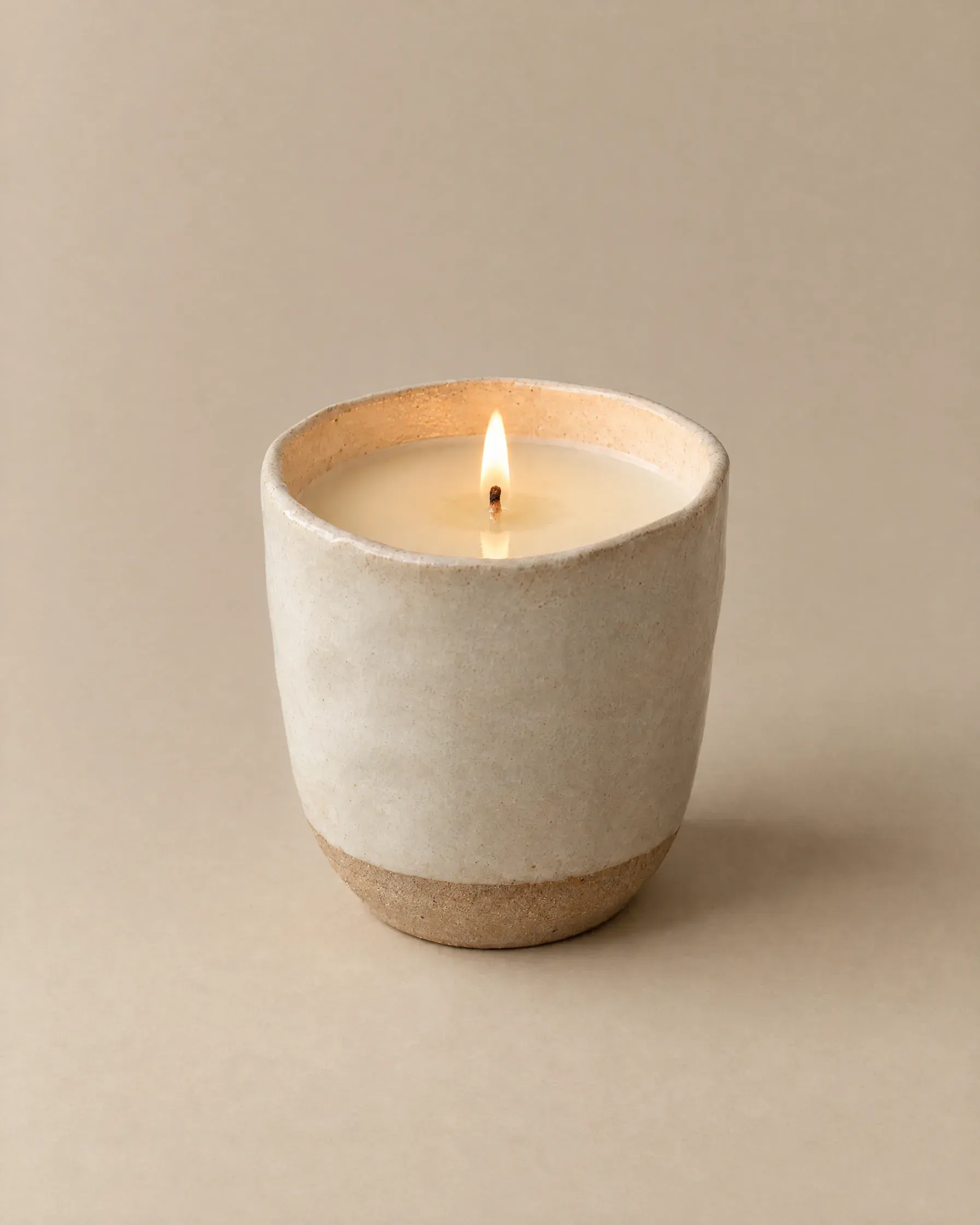
- The Vessel, in Bone, Clay or Ash (220 g): about 45 hours.
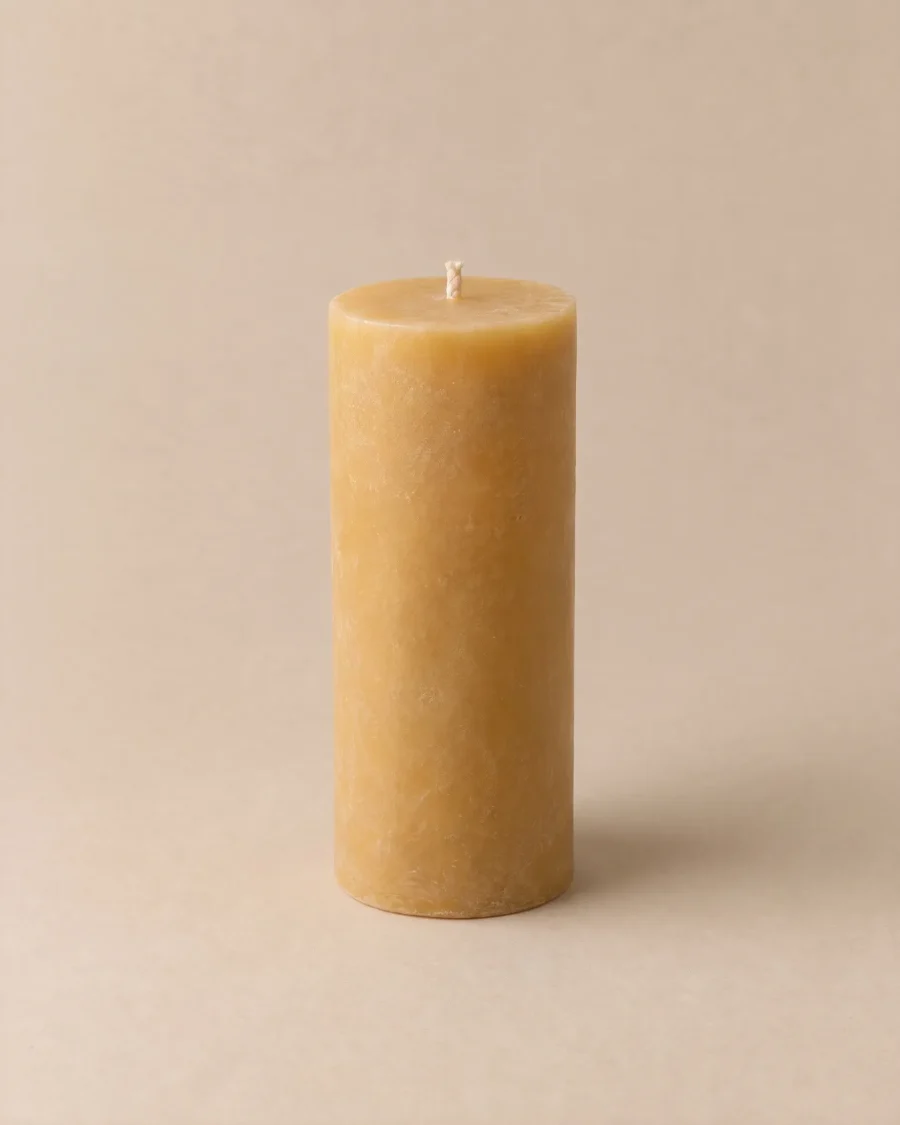
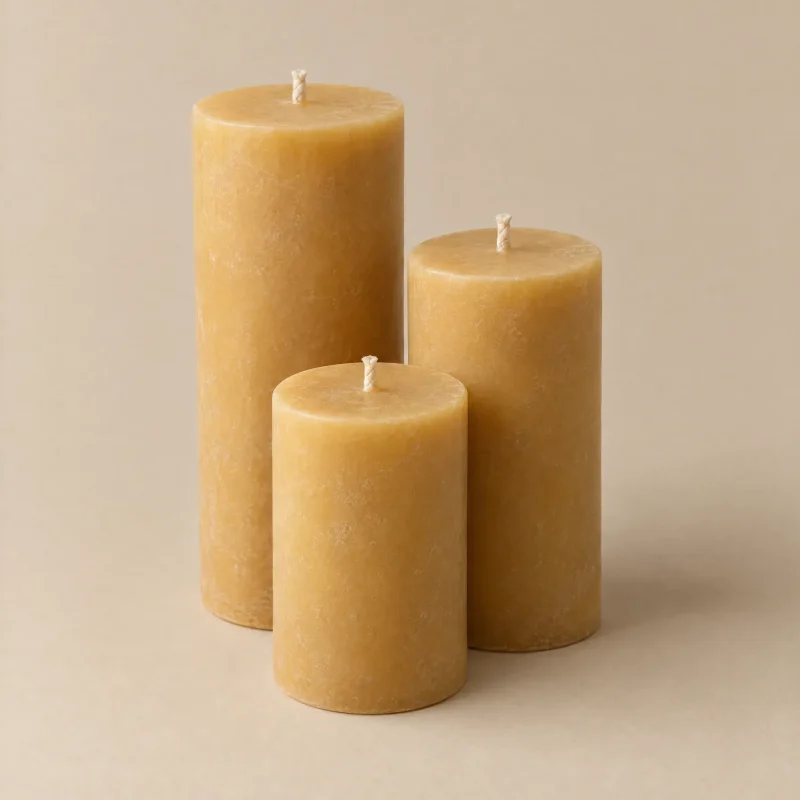
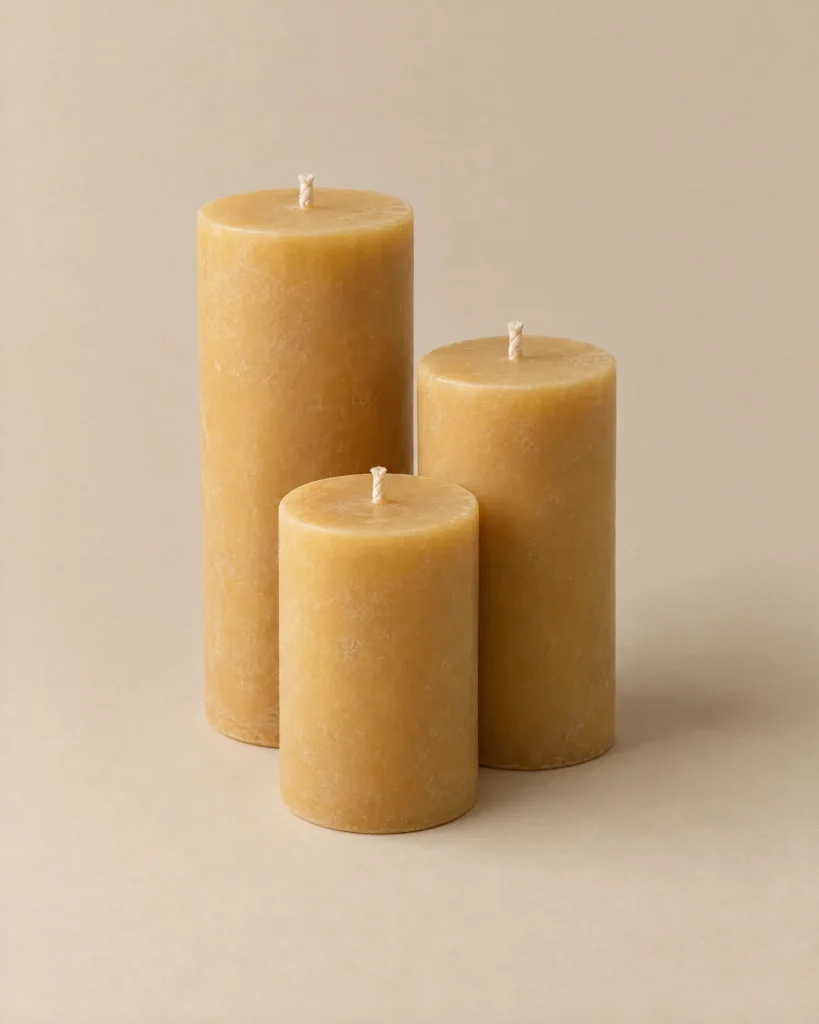
- Pure pillar, 10 cm: about 50 hours.
- Pure pillar, 15 cm: about 75 hours.
- Pure pillar, 20 cm: about 100 hours.
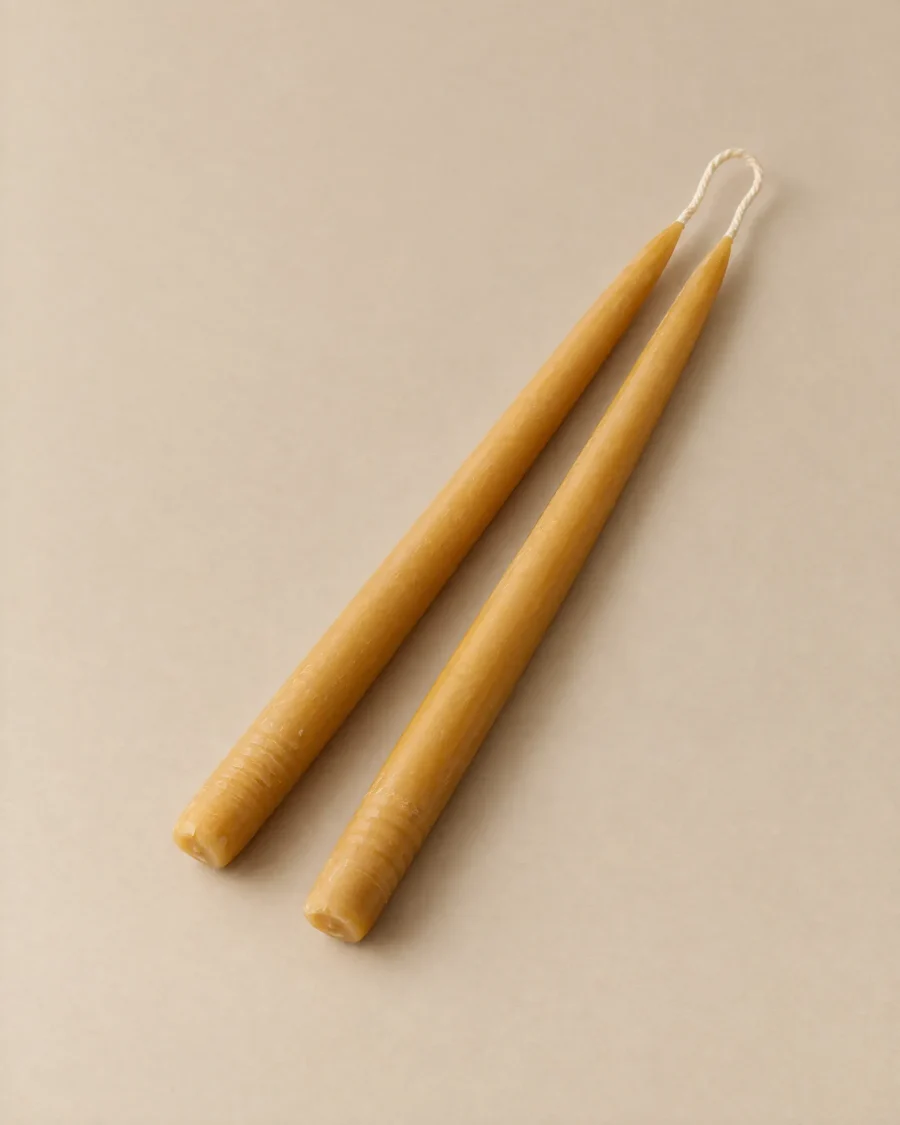
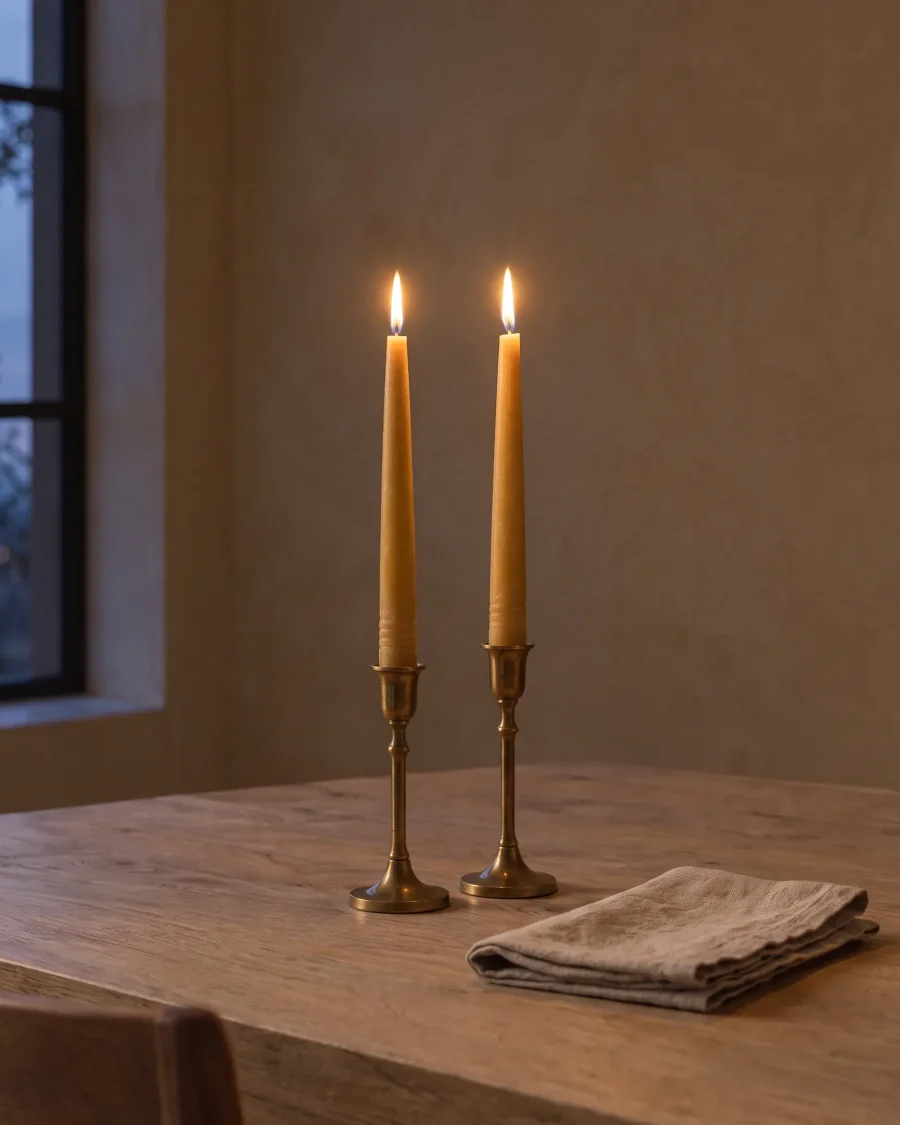
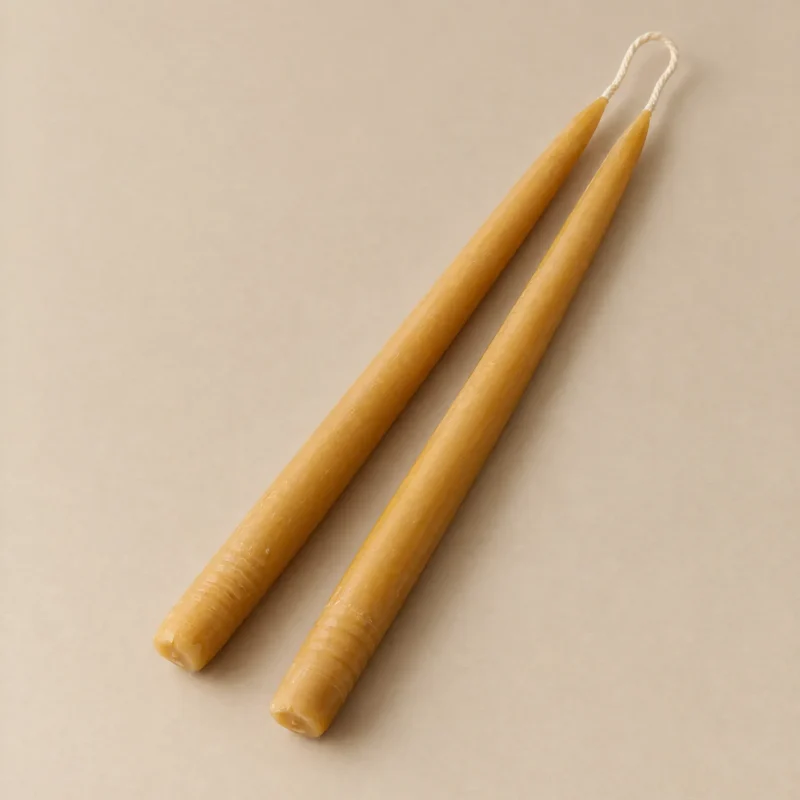
- Pure tapers, 25 cm: about 10 hours each.
These are averages. A warm room, a draft or a long wick will shorten them; a few careful habits will stretch them.
Why beeswax lasts
Beeswax is dense and has a high melting point, around 63 °C. It takes more heat to melt, so the flame uses it slowly. A beeswax candle generally outlasts a paraffin or soy candle of the same size, and burns with a brighter, steadier flame.
The wick matters as much as the wax. Our cotton wicks are matched to each size of candle: a wick that is too large burns fast and hot, and one that is too small drowns in its own pool. That balance is a large part of what the figures above depend on.
Three habits that make them last
- Give the first burn time. Let the melt pool reach the edge, about two hours for a vessel, so the candle does not tunnel and waste wax down the sides.
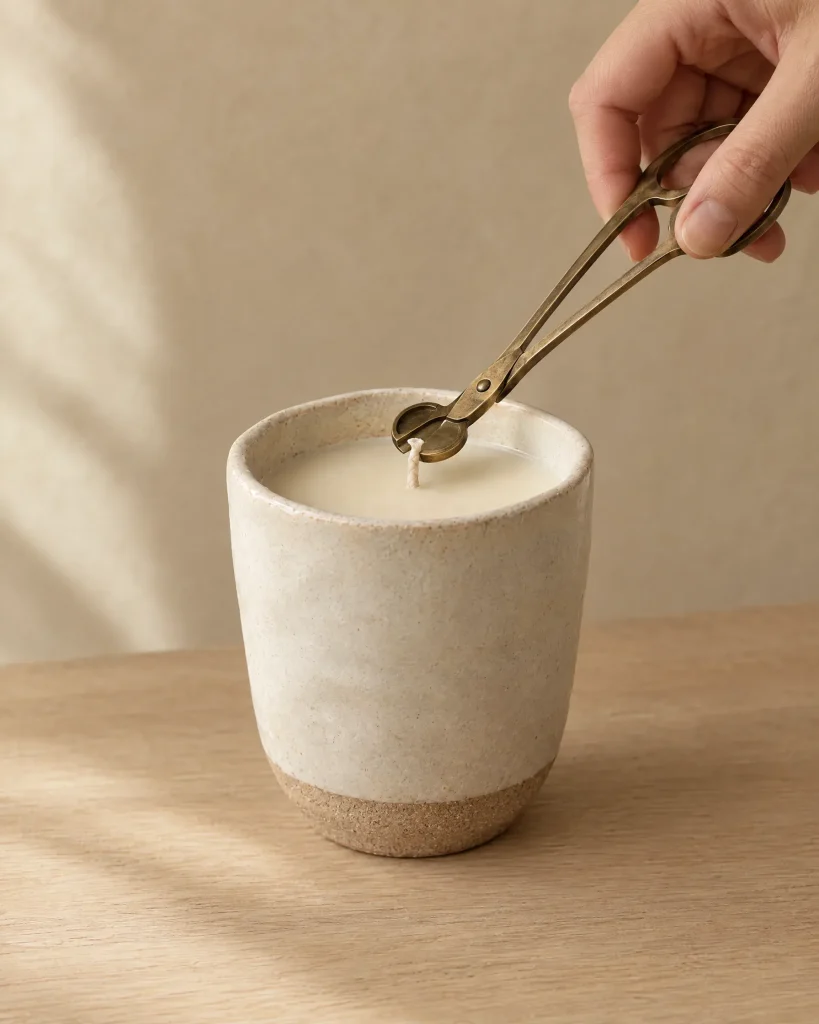
- Trim the wick to 5 mm before every burn. A short wick means a smaller flame that burns more slowly and cleanly.
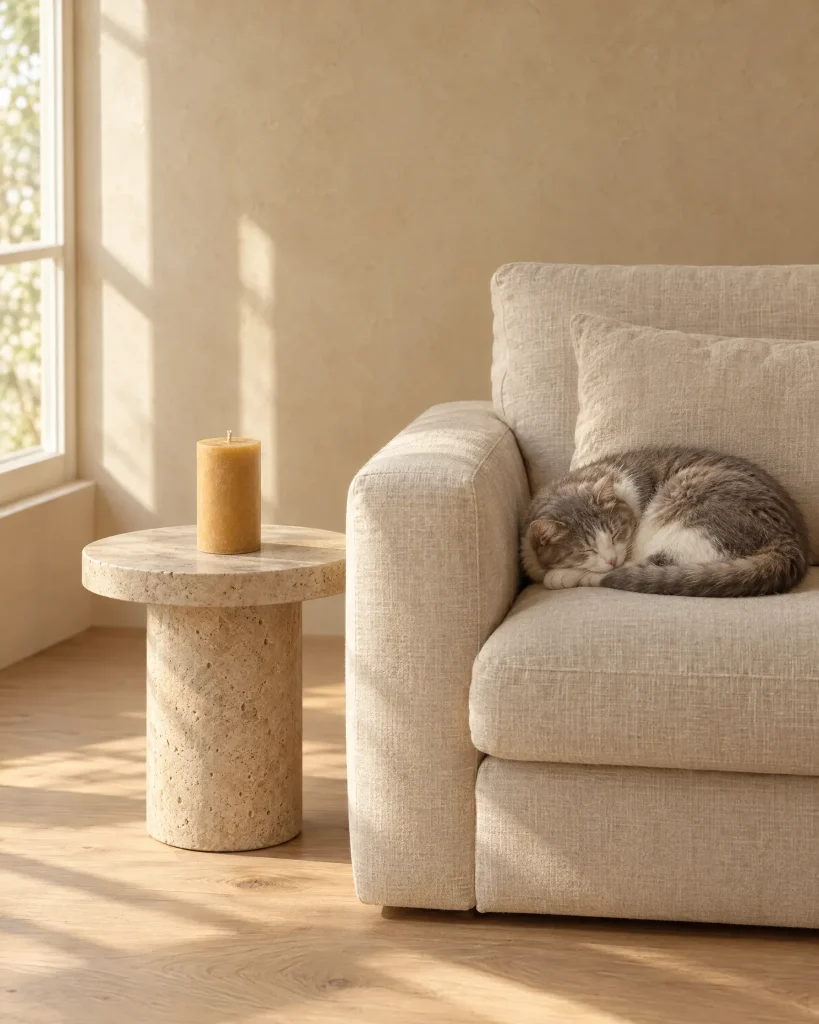
- Keep it out of drafts. Moving air makes the flame flare, which melts the wax faster and causes drips.
Three small habits do more for burn time than anything on the label.
And one rule for safety rather than economy: burn for no more than four hours at a time, and stop a vessel when about a centimetre of wax is left in the bottom.
If a candle burns much faster than these figures, the cause is almost always one of the three habits above. If it is not, please tell us. Every batch is logged, and we would like to know.