Origins3 min read
The bees’ year, season by season
Spring build-up, summer flow, autumn rest. Where wax comes from in the life of a hive.
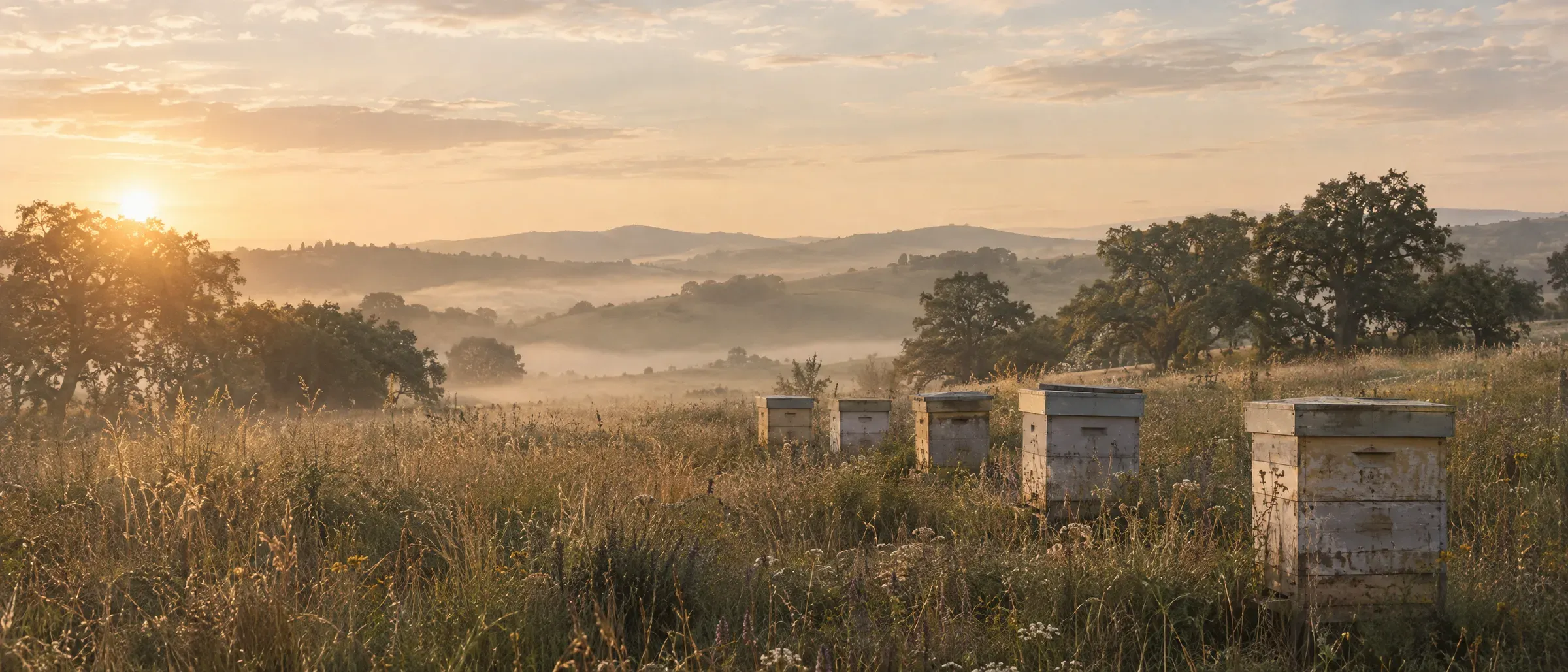
Beeswax is not harvested on a set date. It is the product of a whole year in the life of a colony, and the beekeepers we buy from work to the bees’ timetable rather than their own. Here is that year, roughly as it unfolds in a European apiary.
Spring: building up
The colony comes out of winter small: a few thousand bees around their queen. As the days lengthen and the first willow and fruit blossom open, she begins to lay in earnest. Pollen comes in for the brood and nectar for energy, and within weeks the colony is many times its winter size.
It is also swarming season. A strong colony may divide, with half the bees leaving alongside the old queen to find a new home. In spring, beekeepers inspect every week or so and give the bees room to grow, so they are less inclined to leave.
Summer: the flow
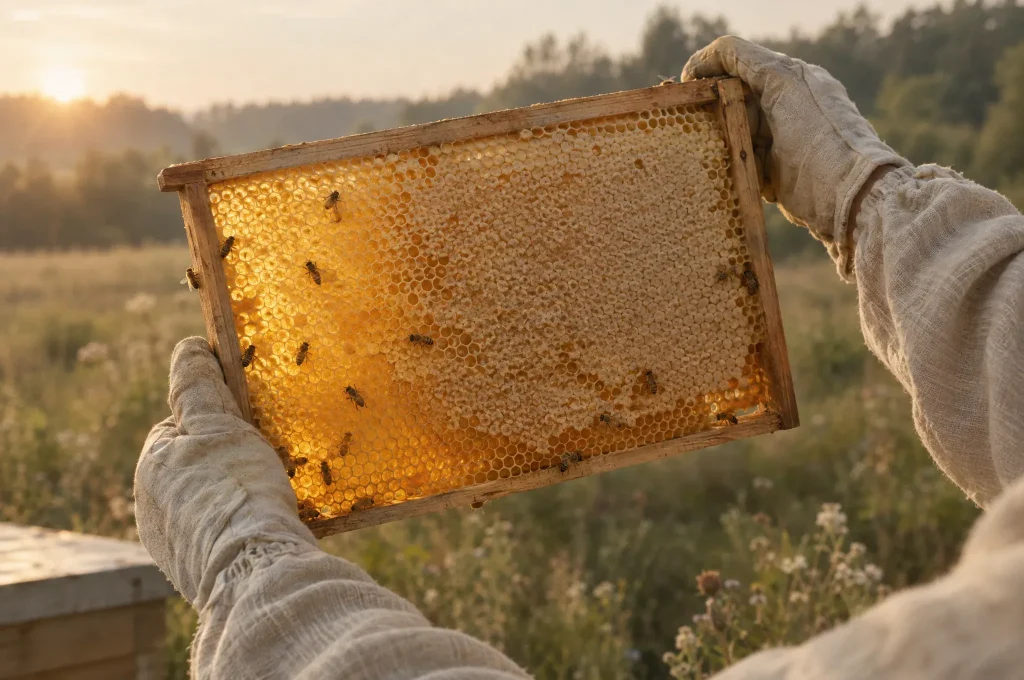
Early summer brings the main nectar flow: clover, lime trees, bramble and meadow flowers, and later heather in some regions. With so much nectar coming in, the bees need somewhere to store it, and they build comb quickly. A strong colony can draw out a box of new comb in a week or two.
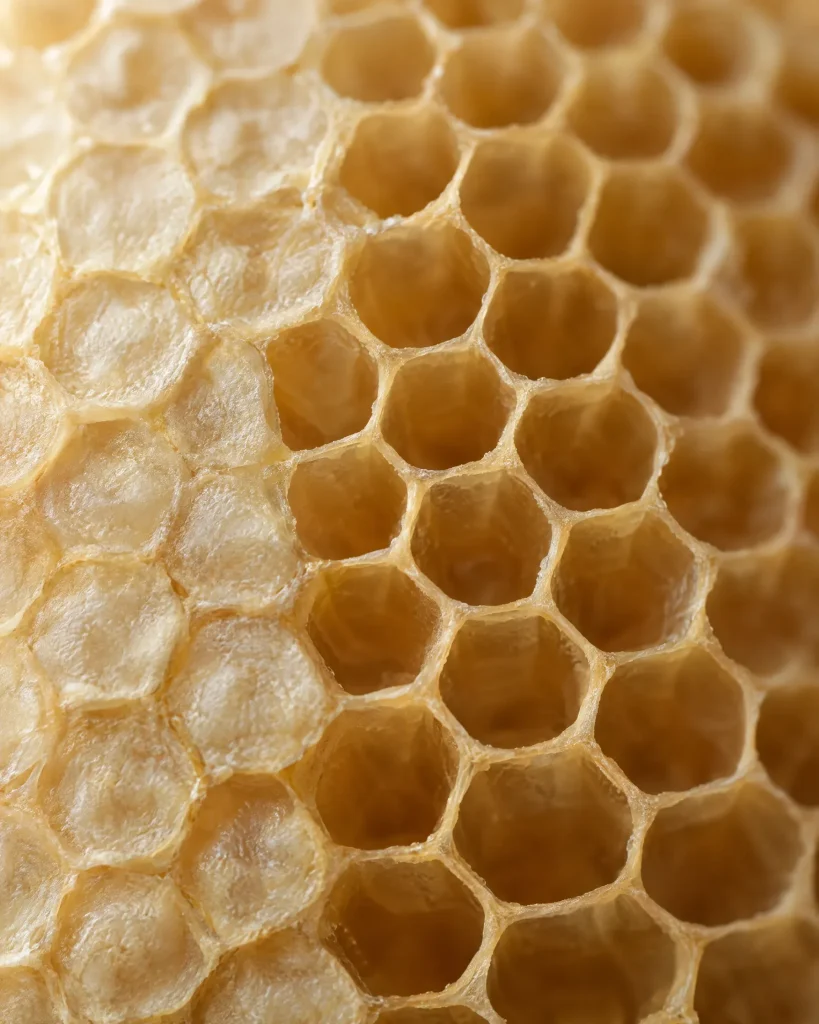
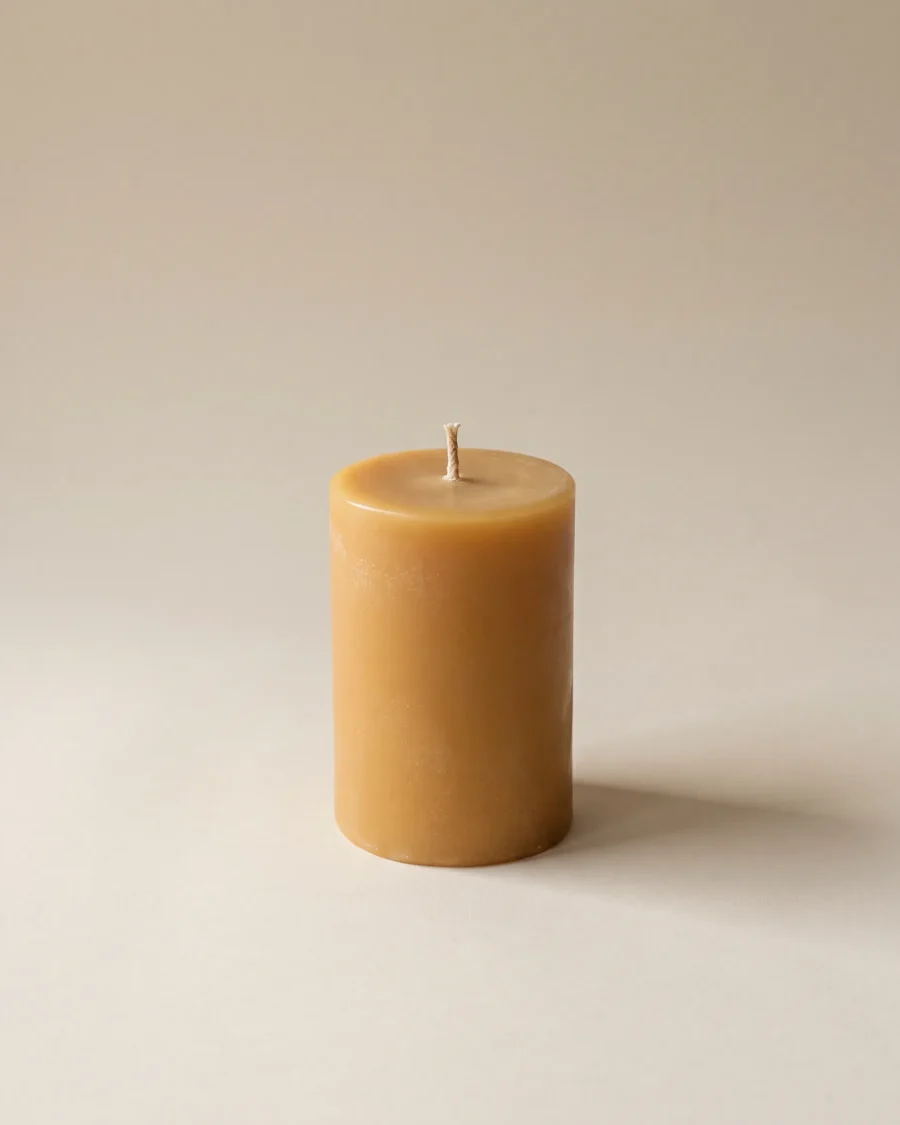
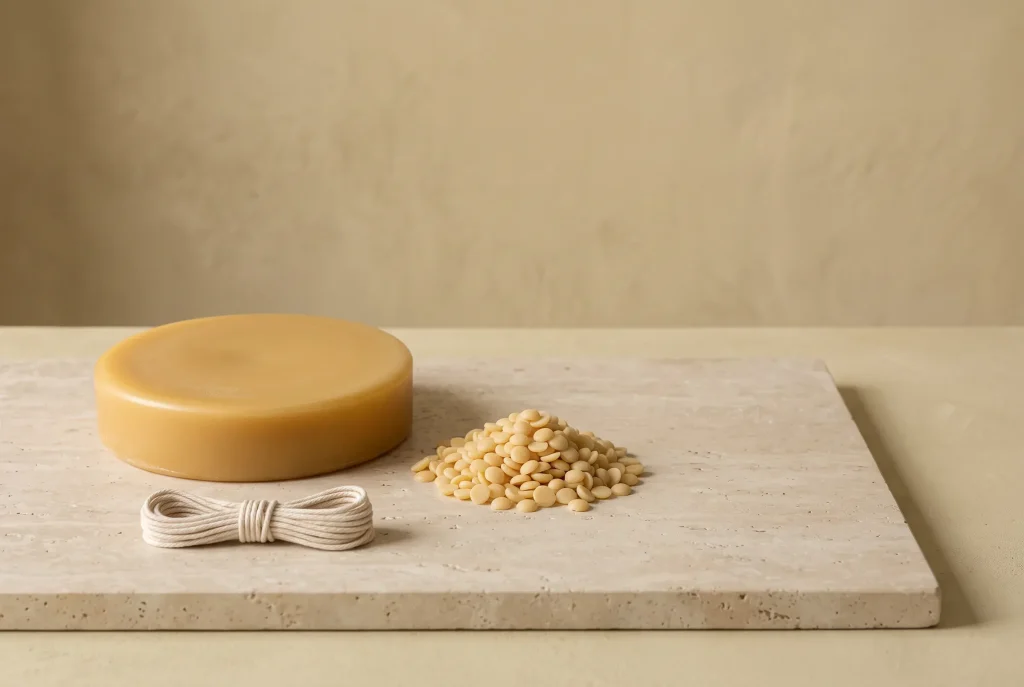
As each cell fills with ripe honey, the bees seal it with a cap of fresh, pale wax. These cappings are the cleanest wax in the hive, and they are the wax we use.
The wax in a candle is a summer's work, drawn out one cell at a time.
Autumn: harvest and rest
Late summer is harvest. The beekeeper takes the sealed honey frames from the top of the hive and leaves the brood boxes, and enough honey, for the bees. In the honey house the cappings are sliced away, the honey is spun out, and the cappings are set aside to drain.
Through the autumn they are melted and filtered into blocks. The colony, meanwhile, shrinks again. The bees that hatch now are winter bees, built to live for months rather than weeks.
Winter: the cluster
Through the cold months the bees form a tight cluster, shivering their flight muscles to keep the centre warm and slowly eating their stores. Nothing comes in and no wax is made. The beekeeper’s work is mostly quiet: a hand on the hive wall, a check that the entrance is clear.
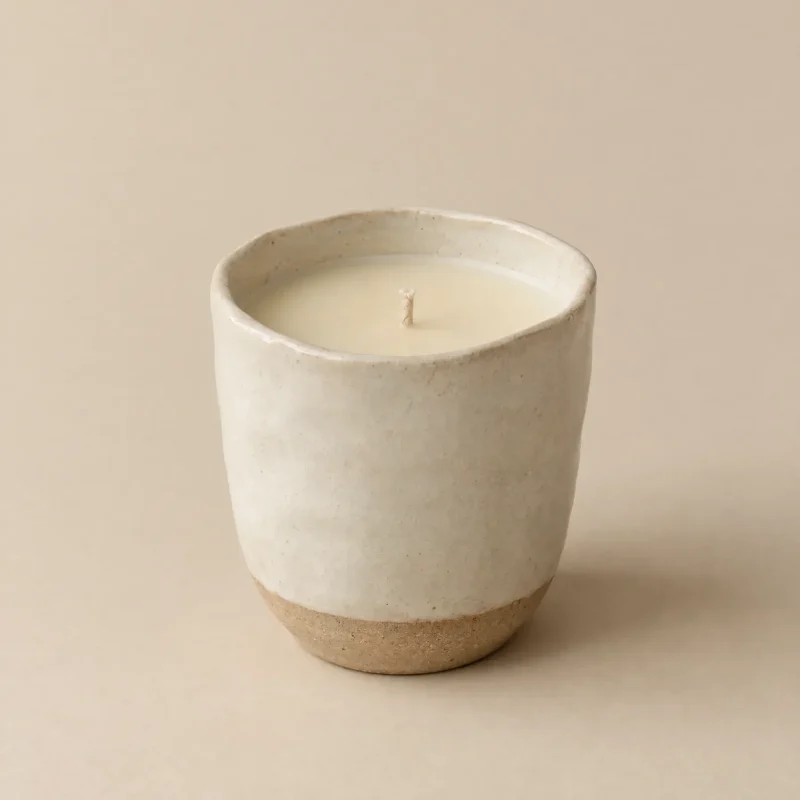
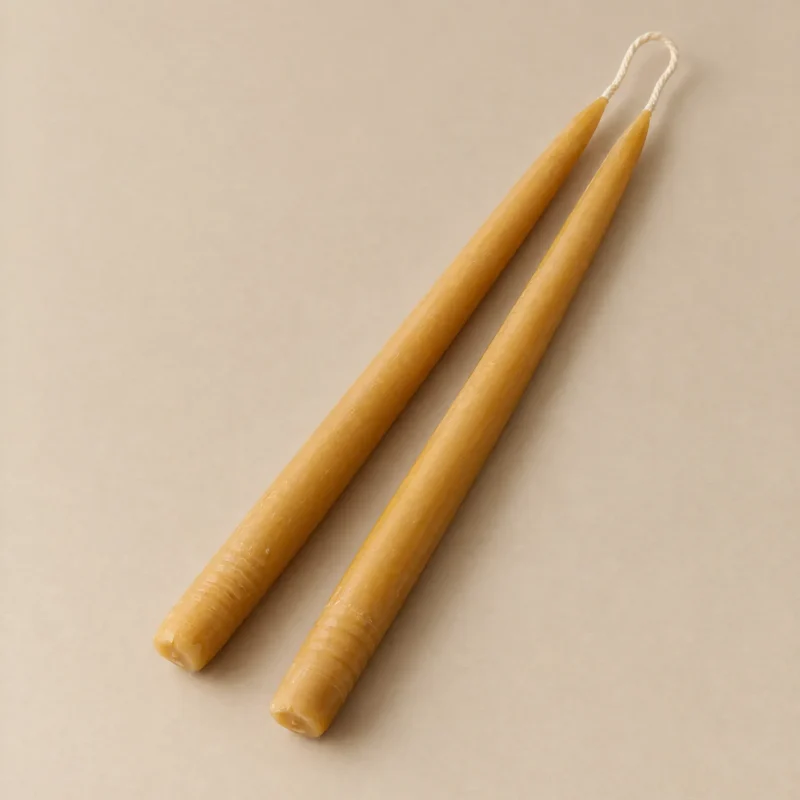
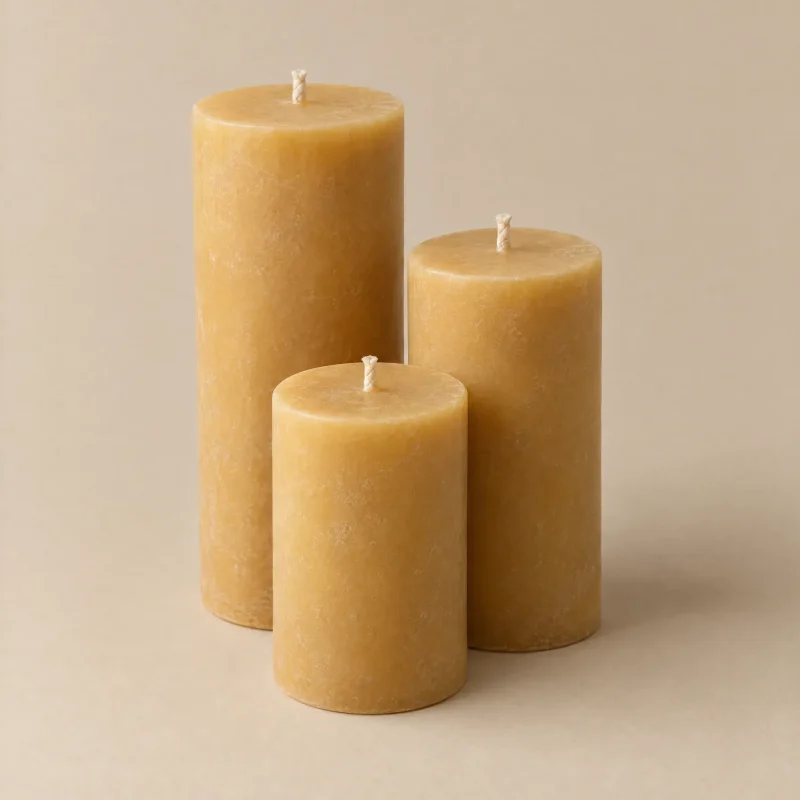
By late winter, the first pollen appears on the bees’ legs again, and the year begins over. Our wax is made in summer, harvested in autumn and poured over the winter and spring that follow. Each candle carries a little of one season.